
Understanding Venezuela Sanctions Essential Guidance and Compliance Tips
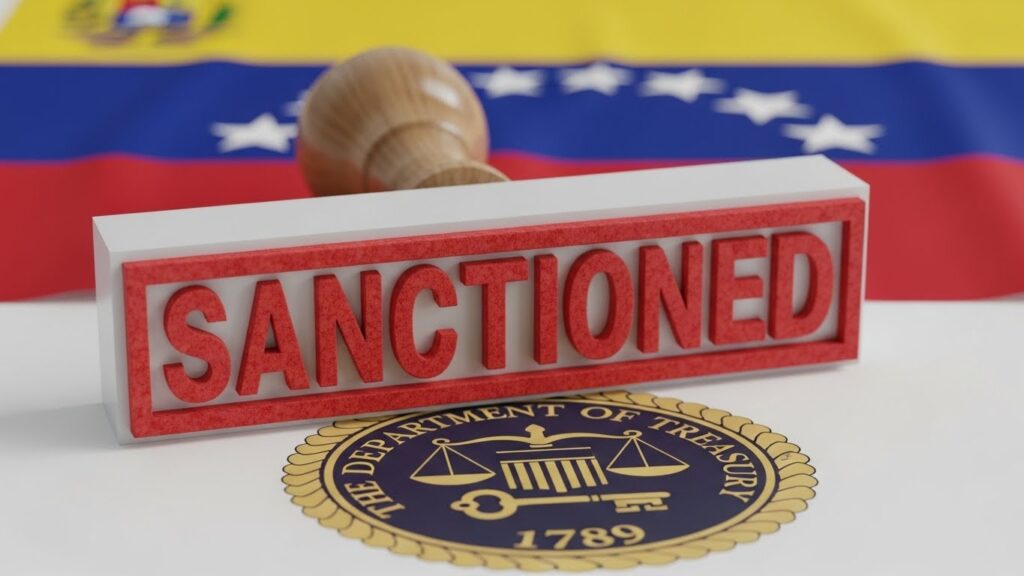
Understanding Venezuela Sanctions: Essential Guidance and Compliance Tips
As the political and economic landscape in Venezuela continues to evolve, so do the sanctions imposed by various countries, particularly the United States. These sanctions are aimed at addressing human rights abuses, supporting democratic governance, and curbing illegal activities linked to the Venezuelan government. For businesses and individuals alike, navigating these sanctions can be complex. This article provides a detailed overview of Venezuela sanctions guidance, including the legal framework, key compliance considerations, and strategies for mitigating risks.
Understanding the Legal Framework of Venezuela Sanctions
The sanctions against Venezuela primarily stem from a range of executive orders issued by the United States government, which have been supplemented by legislative measures. The U.S. Department of the Treasury’s Office of Foreign Assets Control (OFAC) is responsible for administering these sanctions. The sanctions have evolved over time, with the most recent measures targeting various sectors of the economy, including oil, finance, and gold.
Types of Sanctions
Venezuela sanctions can be categorized into several types, including:

- Comprehensive Sanctions: These sanctions prohibit all transactions with the Venezuelan government and other designated individuals or entities.
- Sectoral Sanctions: Specific sectors, such as the oil industry, are targeted, restricting certain dealings without imposing a total ban.
- Individual Sanctions: Targeted at specific individuals (e.g., government officials) and entities associated with the Maduro regime.
Compliance Obligations for Businesses
For businesses operating in or dealing with Venezuela, compliance with sanctions is not optional; it is a legal obligation. The consequences of non-compliance can include hefty fines, criminal charges, and reputational damage. Therefore, understanding and adapting to these regulations is crucial.
Key Compliance Considerations
To ensure compliance with Venezuela sanctions, businesses should consider the following:
- Know Your Customer: Conduct thorough due diligence on clients and partners to ensure they are not listed on any sanctions lists.
- Monitor Transactions: Implement robust systems to monitor transactions for any connections to sanctioned individuals or entities.
- Employee Training: Provide training for employees regarding compliance with sanctions and related policies.
- Consult Legal Experts: Seek legal advice from experts in sanctions law to navigate the complexities involved.
Risks of Non-Compliance
The risks associated with non-compliance can be severe. Businesses may face significant financial penalties from regulatory authorities. For example, the U.S. government has imposed fines totaling billions of dollars on companies that violated sanctions. Additionally, non-compliance can lead to criminal charges against individuals within the organization if willful misconduct can be established.
Strategies for Risk Mitigation
To mitigate the risks associated with Venezuela sanctions, businesses can adopt several strategies:
- Risk Assessments: Regularly conduct risk assessments to identify and understand potential exposure to sanctions.
- Compliance Programs: Develop comprehensive compliance programs that include policies, procedures, and regular audits.
- Stay Informed: Keep abreast of changes in sanctions regulations and relevant geopolitical developments affecting Venezuela.
The Importance of Staying Updated
The landscape of sanctions is dynamic, and regulations can change with little notice. Businesses must stay updated on new developments regarding Venezuela sanctions to adapt their compliance strategies effectively. Regularly reviewing the OFAC website and other key resources provides valuable information that can assist in navigating sanctions.
Conclusion
In conclusion, understanding and complying with Venezuela sanctions is essential for any business or individual engaged in dealings related to the country. By acknowledging the legal framework, implementing effecti

ve compliance measures, and staying informed about developments, parties can avoid significant legal repercussions associated with non-compliance. As the situation in Venezuela continues to unfold, the need for diligent adherence to sanctions will remain paramount.