
Understanding Ukraine-Related Measures Sanctions, Regulations, and Implications
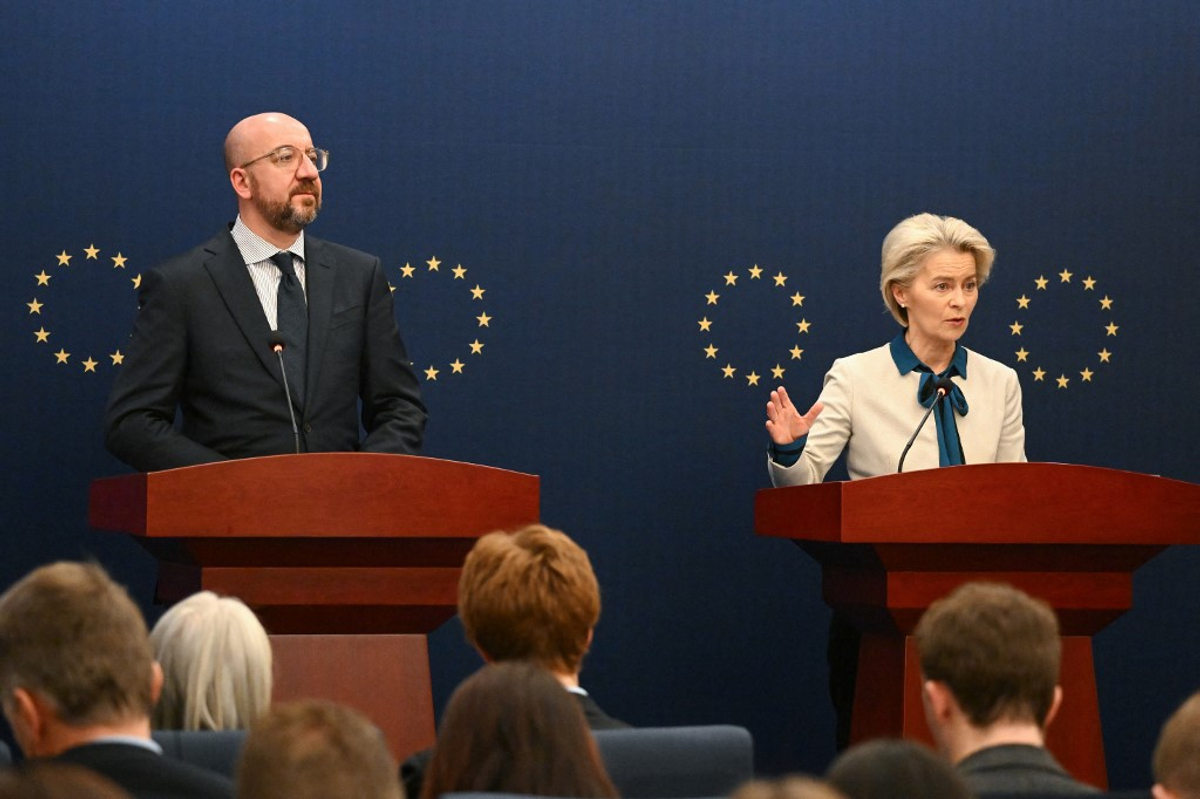
Understanding Ukraine-Related Measures: Sanctions, Regulations, and Implications
The ongoing geopolitical situation in Ukraine has prompted a range of measures that affect international relations, trade, and economic policies. As countries respond to the conflict and its consequences, sanctions and other regulatory measures have become integral tools in shaping foreign policy and addressing humanitarian needs. For detailed information on the sanctions and regulatory frameworks affecting Ukraine, refer to information on Ukraine-related measures https://gonzalezreeds.com/wp-content/pgs/ukraine-related-measures-sanctions-and-regulatory-framework.html.
The Context of Ukraine-Related Measures
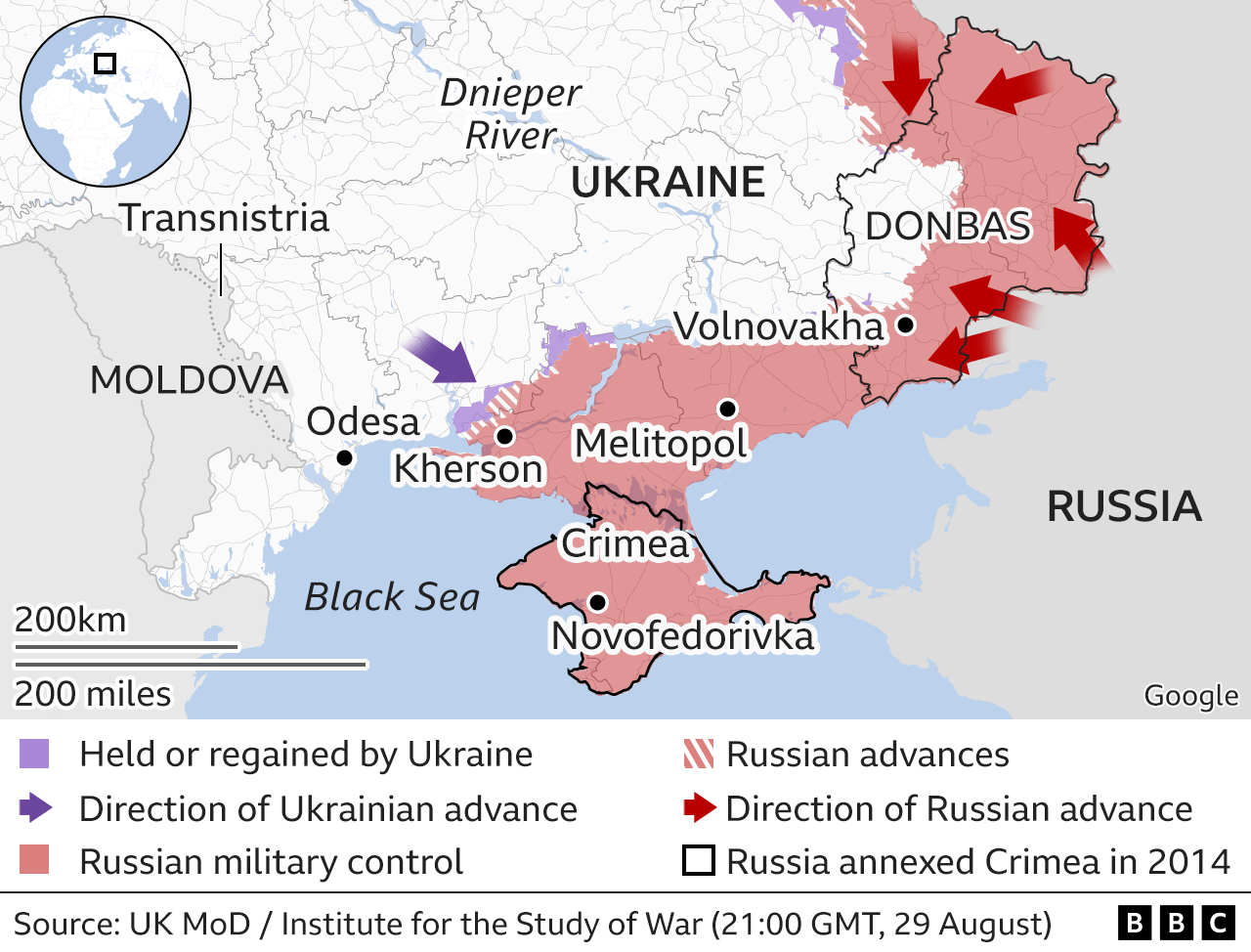
Since the annexation of Crimea by Russia in 2014 and the subsequent conflict in Eastern Ukraine, various countries—including the United States, European Union member states, and other allies—have implemented a series of sanctions aimed at Russian entities and individuals. These measures are intended to apply economic pressure on Russia and influence its actions regarding Ukraine. Additionally, aid and development programs have been established to support the Ukrainian government and economy.

Types of Sanctions
Sanctions imposed on Russia and those supporting separatist movements in Ukraine can be broadly categorized into three types: economic sanctions, travel bans, and arms embargoes.
- Economic Sanctions: These include targeted restrictions on sectors critical to the Russian economy, such as finance, energy, and defense. Financial institutions may face prohibitions on access to Western capital markets, while energy companies may be restricted from investing in new oil and gas exploration projects.
- Travel Bans: Certain individuals associated with the Russian government and companies have been prohibited from entering various Western countries. This measure aims to hold accountable those perceived as responsible for actions against Ukraine.
- Arms Embargoes: Many nations have instituted bans on exporting weapons and military equipment to Russia and regions engaged in conflict in Ukraine. These embargoes aim to limit the capability of these entities to engage in hostilities.
Regulatory Framework
In addition to sanctions, various regulatory frameworks have been established to provide guidance on compliance for businesses. These frameworks help ensure that companies remain compliant with sanctions while allowing for humanitarian assistance to those affected by the conflict. For example, certain exemptions may be made for humanitarian aid organizations operating within Ukraine, provided they adhere to strict guidelines.
Impact on International Relations
The measures imposed in response to the conflict in Ukraine have had significant implications for international relations. Countries that implement sanctions must carefully consider their diplomatic relationships and the potential for retaliatory measures from Russia. Diplomatic efforts continue to address the situation, with negotiations and summits taking place to seek peaceful resolutions. However, the existing sanctions framework remains a critical point of contention in these discussions.
Economic Implications
The sanctions and regulatory measures related to Ukraine have also affected global markets. Businesses operating in sectors impacted by these measures must navigate complex landscapes, balancing compliance with the need to maintain operations. Furthermore, the economic fallout extends to various industries, including energy and agriculture, which are crucial to both Russian and Ukrainian economies.
Supporting Ukraine
In response to the humanitarian crisis resulting from the conflict, many countries have increased their support for Ukraine. This assistance often takes the form of financial aid, military support, and humanitarian assistance. Various organizations and NGOs have mobilized to provide relief to those affected by the conflict, facilitating access to essential services such as healthcare, food, and shelter.
Looking Ahead
As the situation in Ukraine continues to evolve, so too will the measures aimed at addressing it. Future developments may lead to the imposition of further sanctions or modifications of existing ones, responding to changes on the ground. Businesses and individuals must stay informed of these changes to remain compliant and to support the broader goals of peace and stability in the region.
Conclusion
Understanding the Ukraine-related measures is essential for navigating the complex geopolitical landscape that has emerged in recent years. By being aware of the sanctions, regulations, and their implications, individuals and organizations can make informed decisions that align with both legal requirements and ethical considerations. The path forward will require continued international cooperation and dialogue to ensure lasting peace and security in Ukraine and beyond.