
Understanding the Role of Lawyers in Interpol Cases 1531372270

In the intricate world of international law, lawyers in Interpol cases play a pivotal role. Their expertise is essential for individuals and entities faced with legal conflicts that transcend national borders. This article delves into the intricate responsibilities, challenges, and best practices for lawyers dealing with Interpol cases, shedding light on how they protect their clients in the global arena.
The Role of Interpol
Interpol, the International Criminal Police Organization, facilitates cooperation between law enforcement agencies across different countries. Established in 1923, its primary objective is to combat transnational crime, including terrorism, drug trafficking, and human trafficking. Interpol issues Red Notices to alert member countries about individuals wanted for prosecution or to serve a sentence based on a valid national warrant.
Why Legal Representation Matters
Legal representation in Interpol cases is paramount for several reasons:
- Protection of Rights: Individuals facing Interpol notices may experience serious repercussions, including arrest in foreign countries. A qualified lawyer advocates for their rights and ensures due process is followed.
- Expertise in International Law: Interpol cases involve complex international legal frameworks. Lawyers specializing in this field must navigate treaties, extradition laws, and the distinct legal systems of different countries.
- Reputation Management: Being the subject of an Interpol notice can severely damage an individual’s or organization’s reputation. Lawyers help manage public perceptions and mitigating negative fallout.
The Legal Process Involving Interpol
Understanding the legal process that arises from an Interpol notice is critical for defendants. Typically, the process involves several stages:
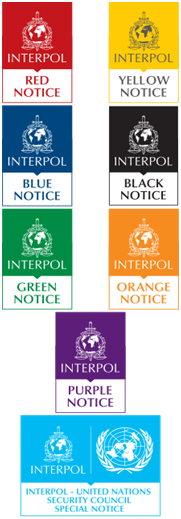
- Issuance of Red Notice: When a member country requests an Interpol Red Notice, it must provide sufficient evidence justifying the request.
- Verification by Interpol: Interpol analysts check the request for compliance with its regulations, ensuring that it is valid and not politically motivated.
- Notification to Member Countries: Once approved, the notice is distributed to Interpol member countries, which may act on it based on their national laws.
- Legal Representation: On receiving a Red Notice, individuals should seek legal representation to understand their options and rights. This is crucial for challenging the notice effectively.
- Extradition Proceedings: If an individual is arrested, the country must follow its extradition laws, providing another opportunity for legal representation.
Challenges Faced by Lawyers
Lawyers handling Interpol cases encounter a range of challenges:
- Jurisdictional Issues: Navigating the complexities of multiple legal jurisdictions can be perplexing. Each country has its own laws concerning extradition, requiring a detailed understanding of international relations.
- Political Considerations: Some cases may be influenced by political motivations, complicating the legal proceedings. Lawyers must be prepared to challenge politically motivated notices in court.
- Public Perception: The stigma attached to being wanted by Interpol can impact a client’s life significantly. Lawyers need to develop strategies to manage this perception while working on the case.
Strategies for Legal Representation
To navigate the complexities of Interpol-related legal issues successfully, lawyers should adopt specific strategies:
- Thorough Case Review: Assessing the details of the Red Notice and any evidence supporting it is crucial. A robust understanding of the charges is necessary for constructing a defense.
- Engage with International Law Experts: Collaborating with experts in international law can enhance the defense strategy, bringing additional insights and knowledge to the case.
- Build a Strong Defense: Lawyers must gather evidence to counteract the claims that led to the issuance of the Red Notice. This may involve securing testimonies, alibis, and relevant documentation.
- Public Relations Strategy: Defending a client’s reputation while addressing media inquiries requires a coordinated approach involving PR professionals and legal counsel.
Success Stories
There have been notable cases where effective legal representation has altered the course of an Interpol notice. For instance, some lawyers have successfully challenged the validity of Red Notices based on insufficient evidence or political motivations. These successes often hinge on a deep knowledge of international law and a strategic approach to legal defense.
Conclusion
The role of lawyers in Interpol cases is vital in ensuring justice is served fairly in an international context. As globalization increases interaction among nations, the demand for qualified legal practitioners specializing in these matters continues to grow. By understanding the intricate processes involved and employing strategic legal practices, lawyers can provide essential support to clients facing the repercussions of Interpol notices.